

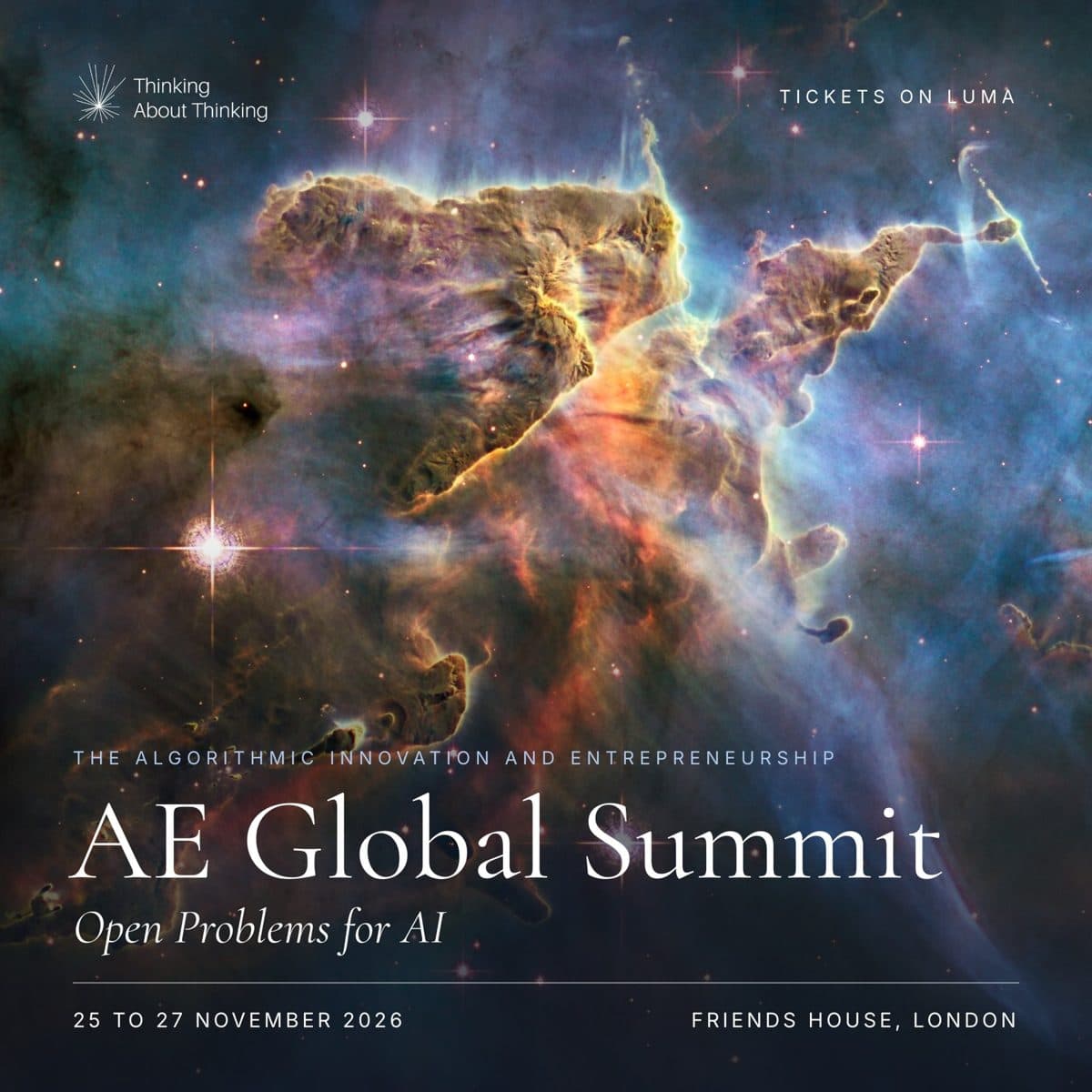
Open Problems for AI.
Our Annual Meeting. Three days at Friends House, London, from 25 to 27 November 2026, with researchers, engineers, founders, investors and policymakers.
Tickets are on sale now: Student £45, General £90, Patron £1,000. Capacity is limited.
Why we run this.
Research on intelligence, biological and artificial, has grown fast over the last ten years. The places where those fields meet have not kept up. We run the events, fellowship and seminars that bring them together.
Thinking About Thinking, ideas about intelligence.
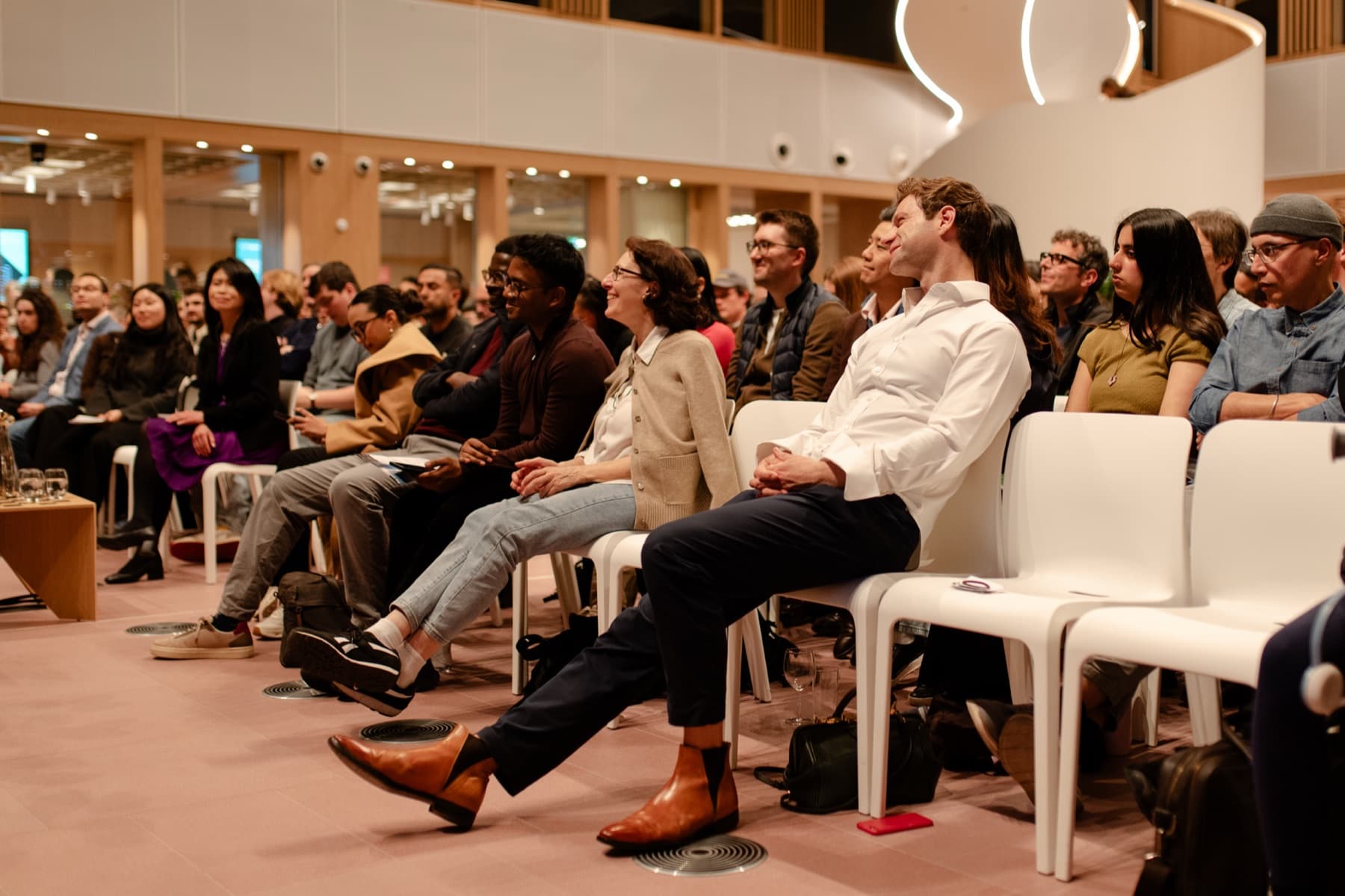
Dr Ruairidh McLennan Battleday BMBCh (Oxon) PhD
Dr Ruairidh Battleday is a cognitive scientist, AI researcher and founder working at the intersection of artificial intelligence, neuroscience and mathematics.
Read profile →
Professor James Whittington BMBCh (Oxon), DPhil (Oxon)
Professor James Whittington is a computational neuroscientist and AI researcher working at the intersection of neuroscience, artificial intelligence and mathematics.
Read profile →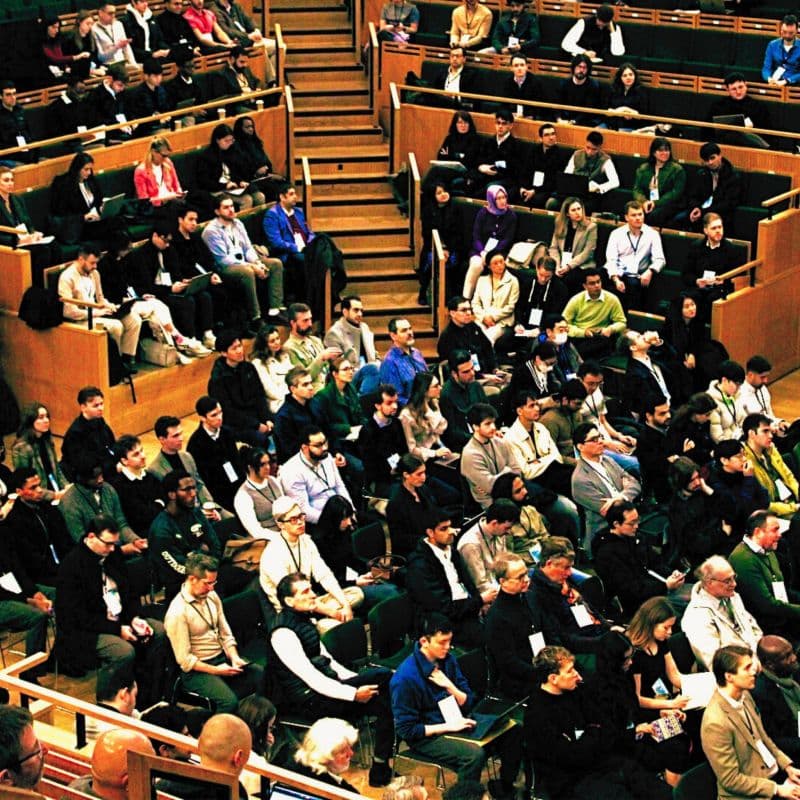
Open Problems for AI. Friends House, London, 25 to 27 November 2026. These speakers are confirmed. We'll announce more as the programme is finalised.
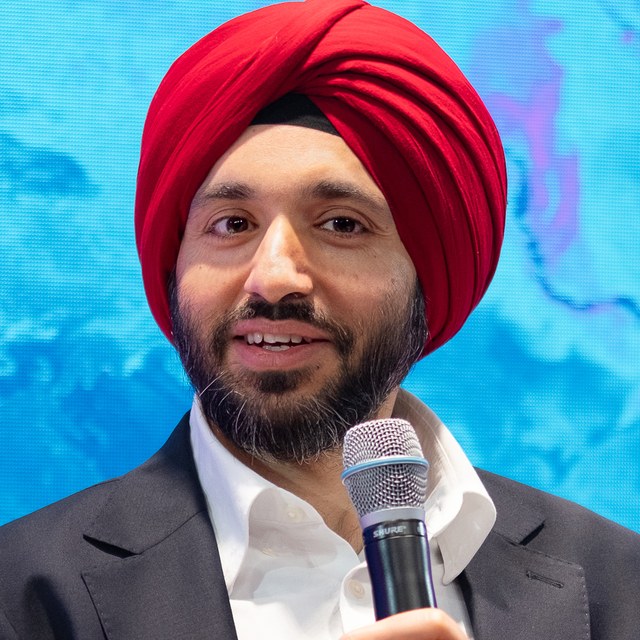
Dr Pushmeet Kohli
Google DeepMind
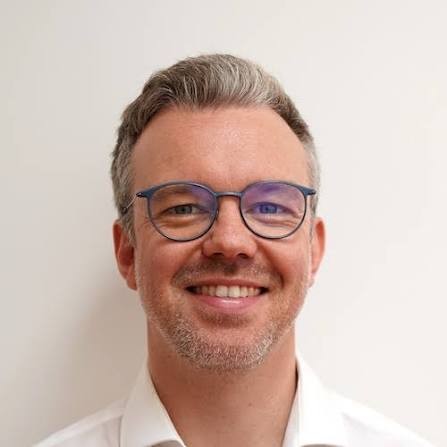
Prof Tim Rocktäschel
Recursive and UCL
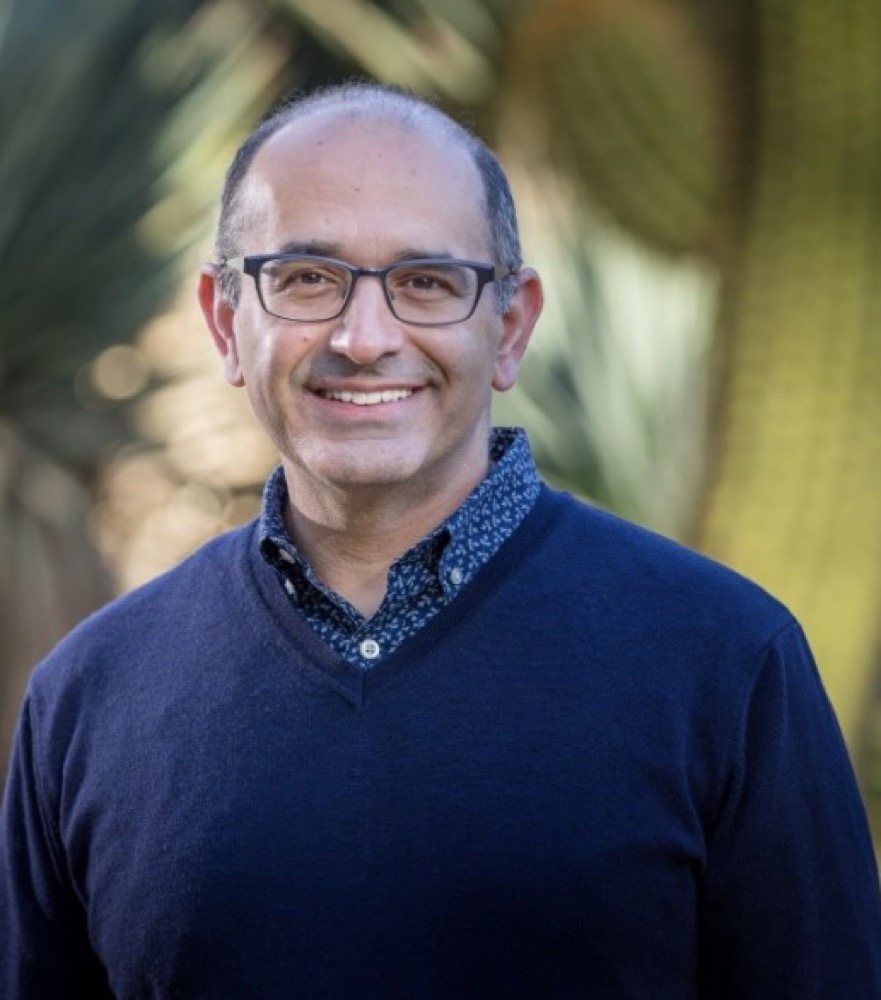
Prof Zoubin Ghahramani
VP of Research, Google DeepMind
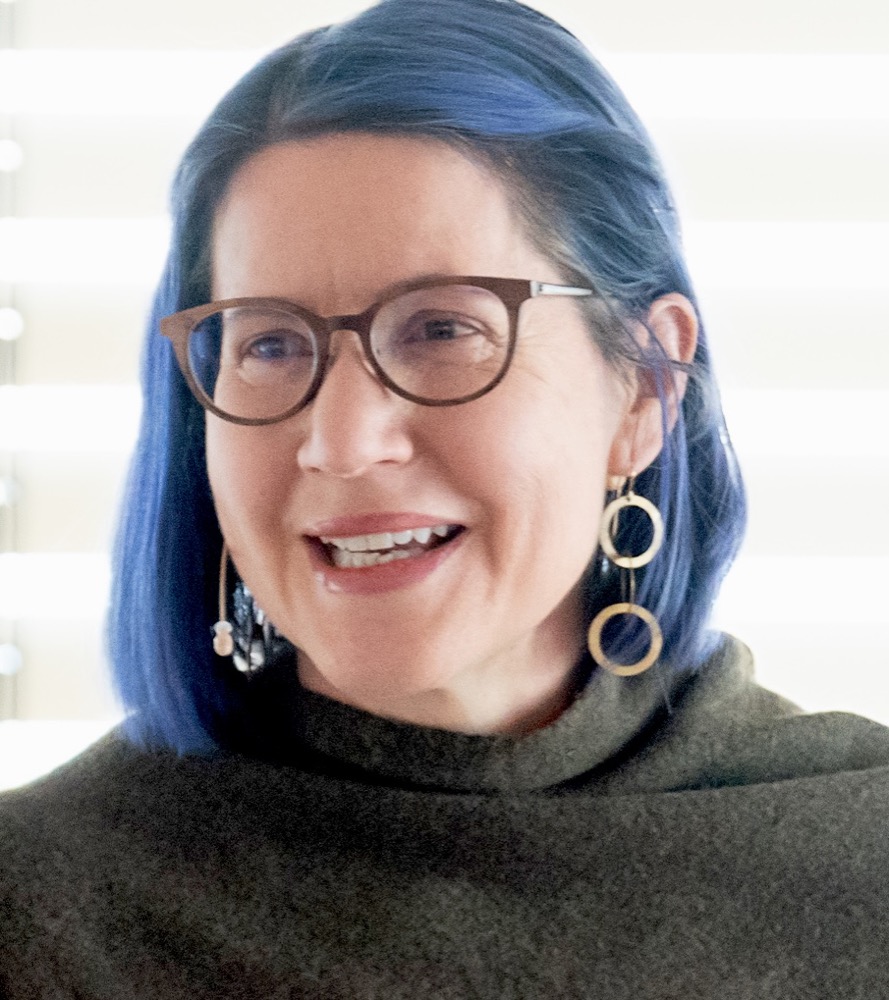
Dr Raia Hadsell
Google DeepMind
Dr Ed Hughes
Inherent
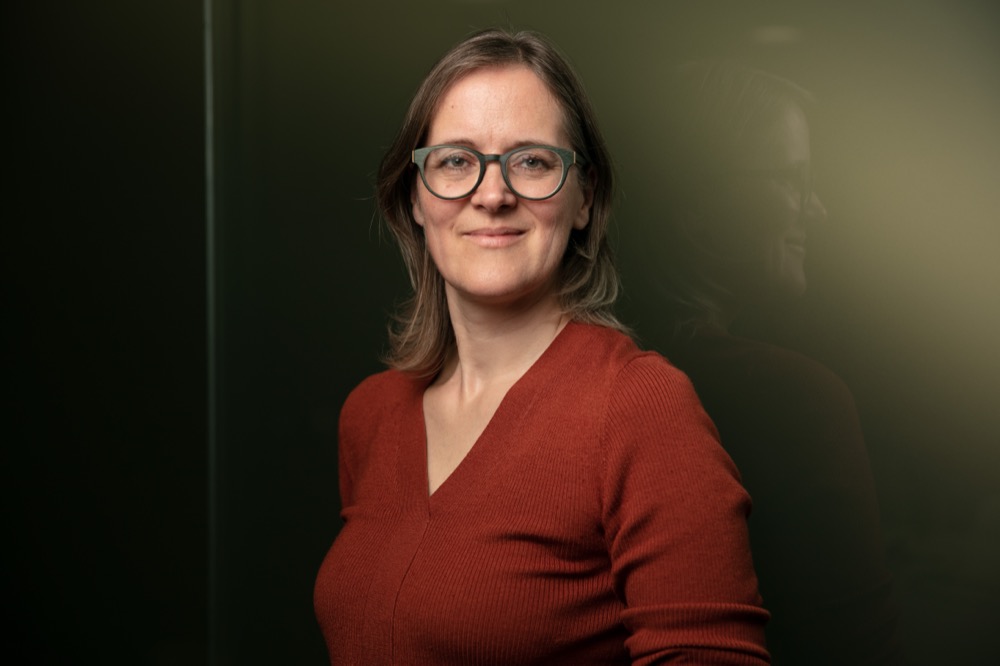
Dr Katja Hofmann
Microsoft
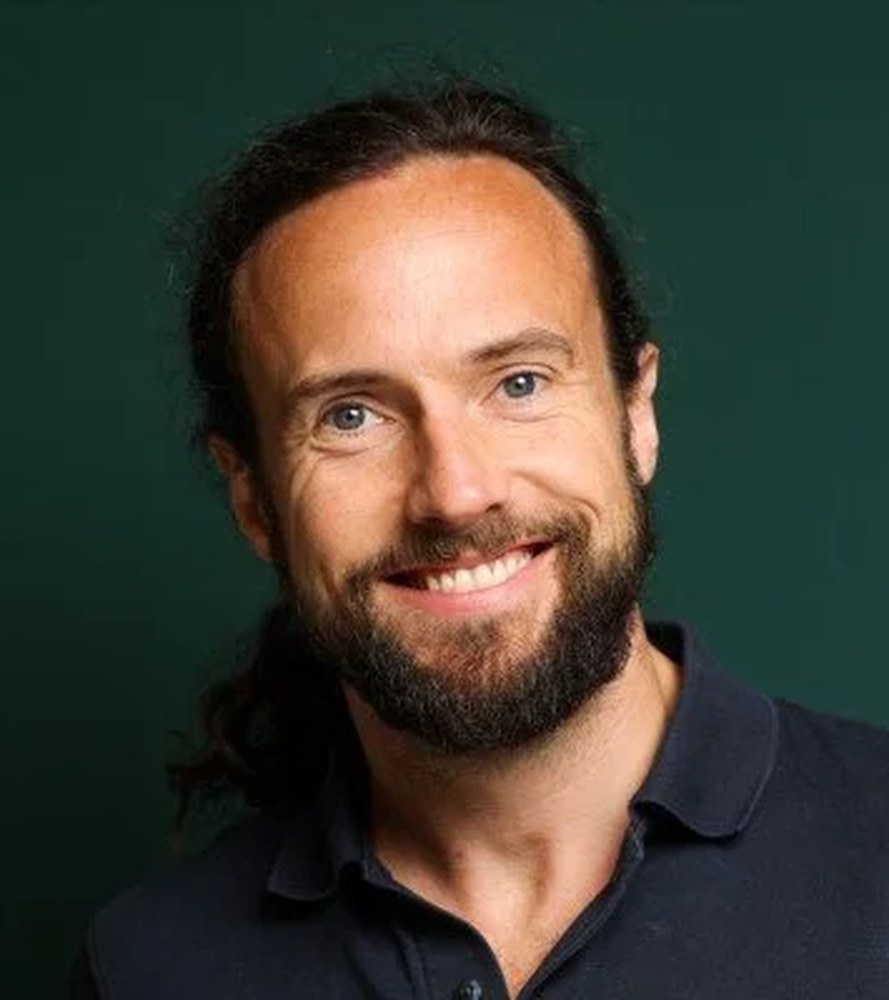
Prof Jakob Foerster
BOLD and Oxford
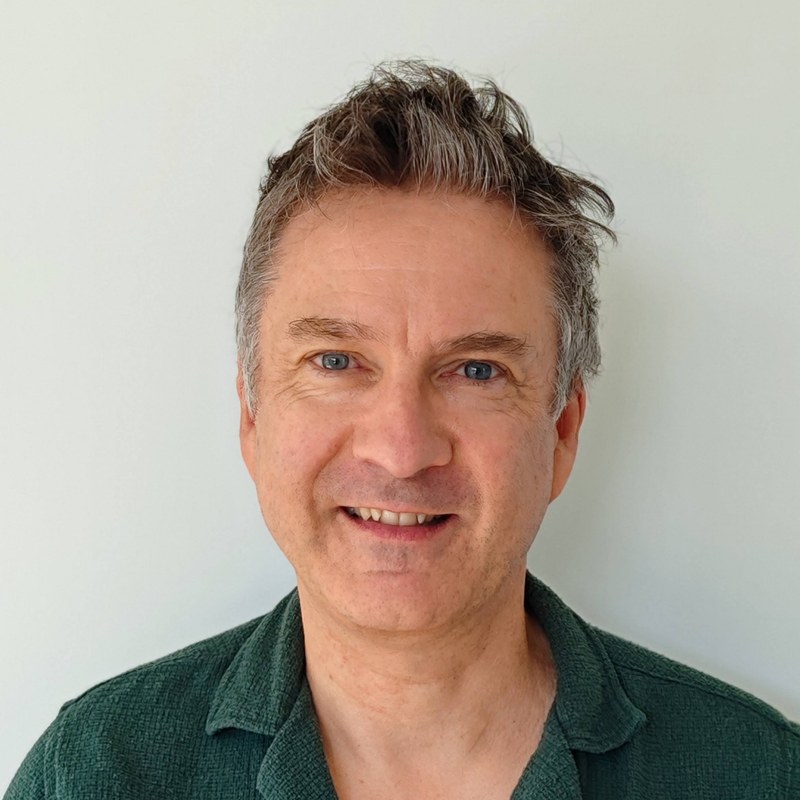
Prof David Barber
SOFAIR
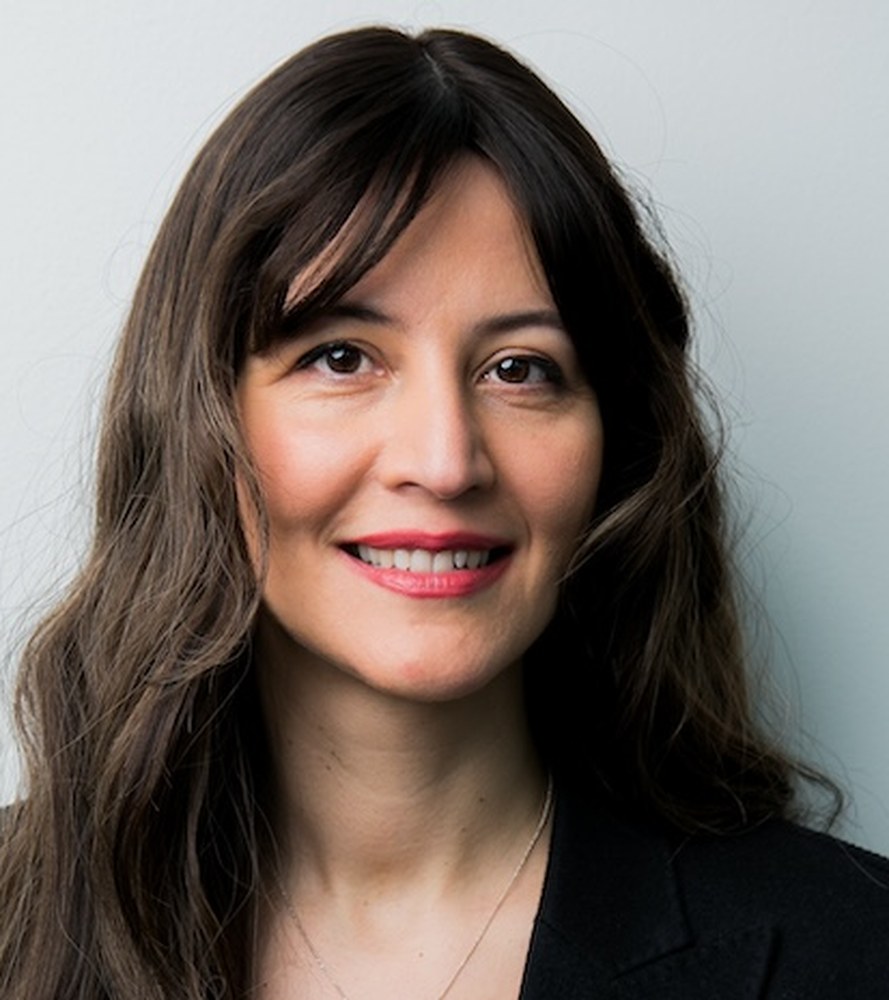
Prof Atoosa Kasirzadeh
Carnegie Mellon University
Dr Danyal Akarca
Callosum
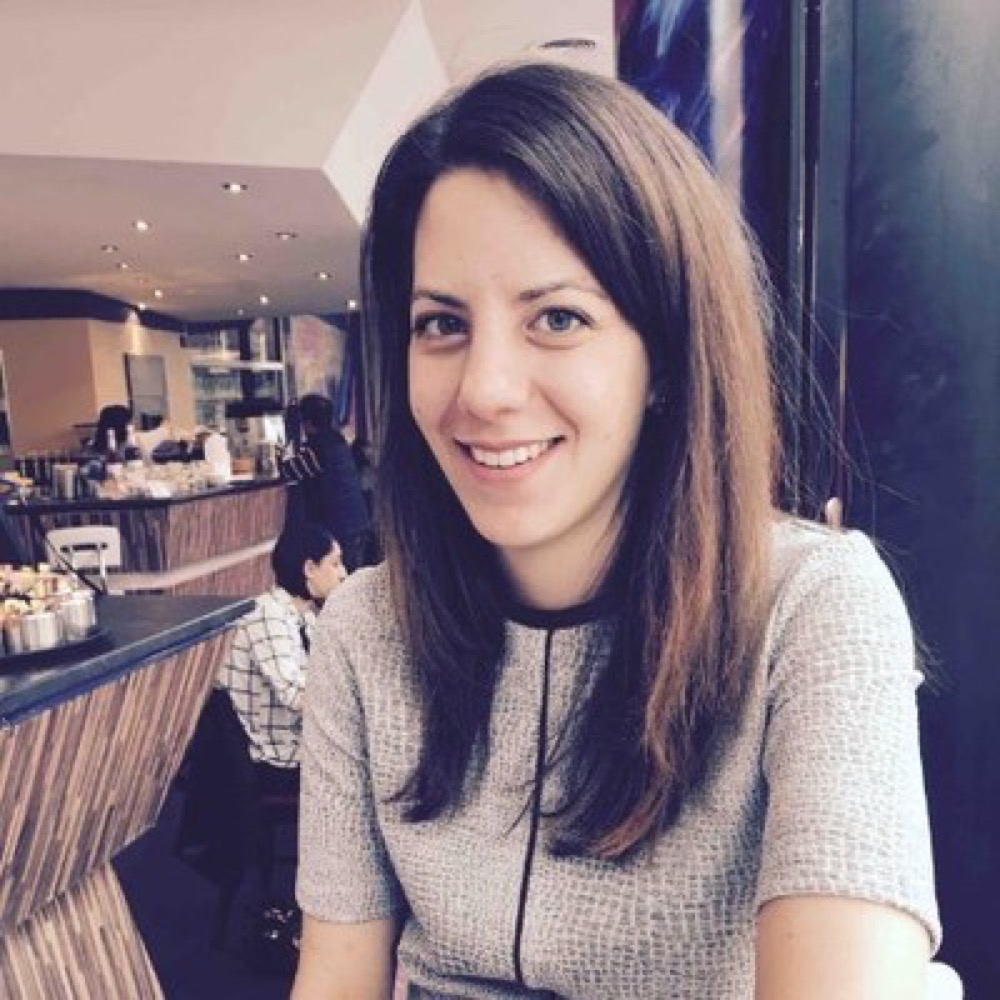
Dr Vassia Simaiaki
Wayve
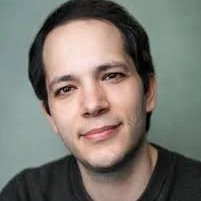
Dr Jonathan Richard Schwarz
Reuters
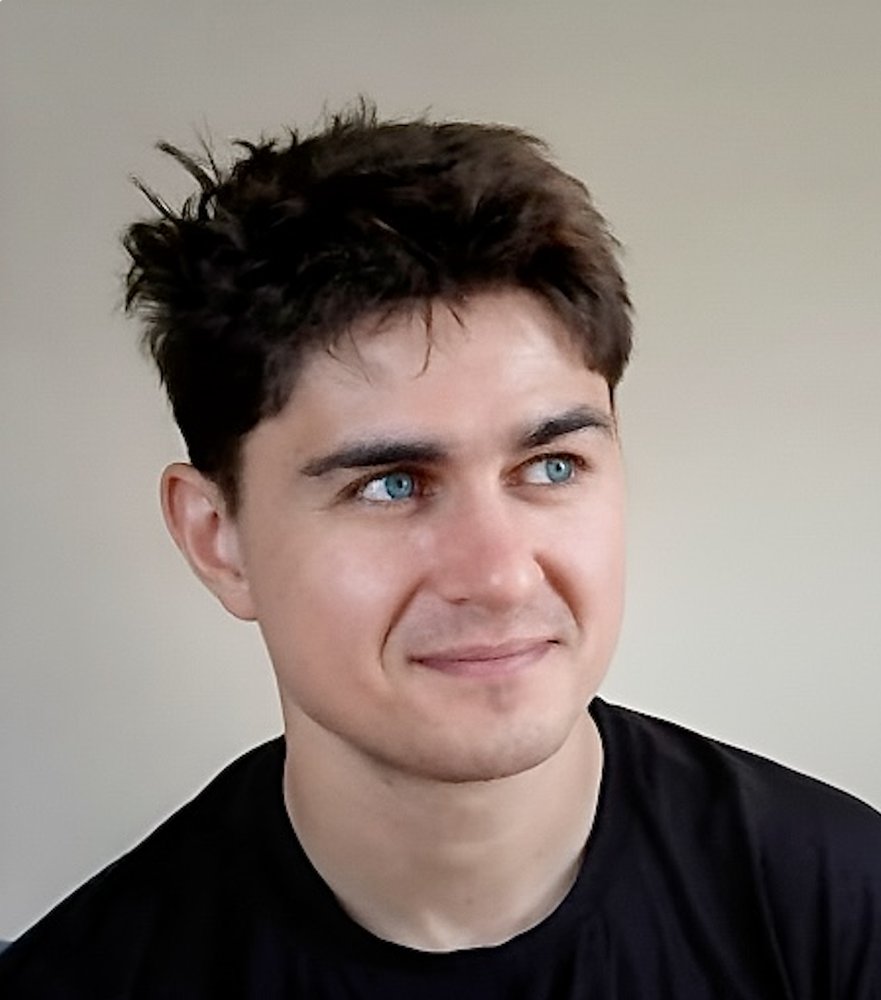
Talfan Evans
Cursive

Dr Leon Chlon
Hassana Labs and PhysicsX
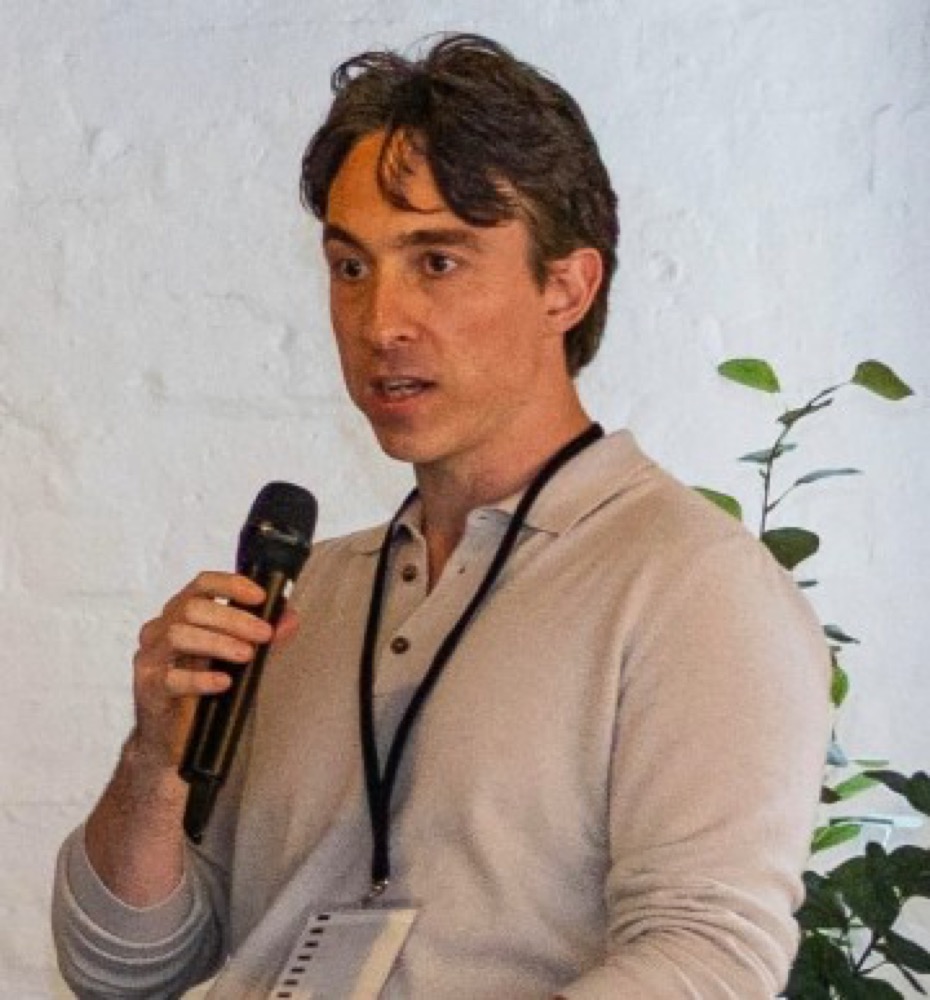
Tobias Halloran
NVIDIA
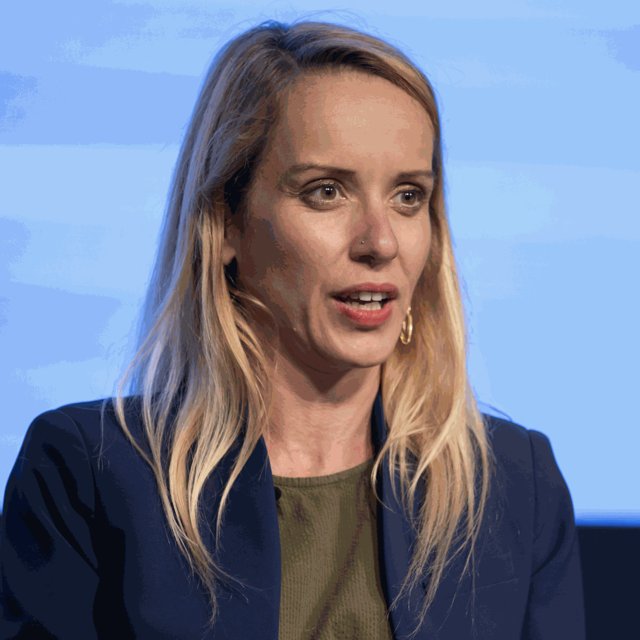
Dr Artemis Seaford
Formerly ElevenLabs
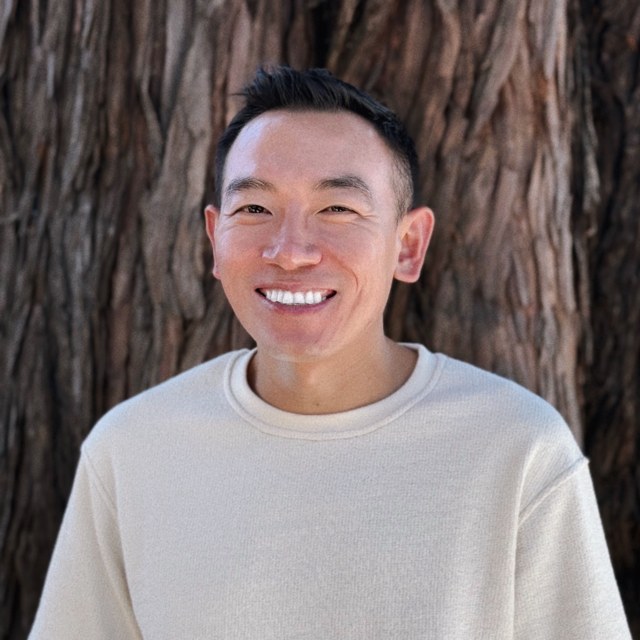
Prof Skyler Wang
McGill
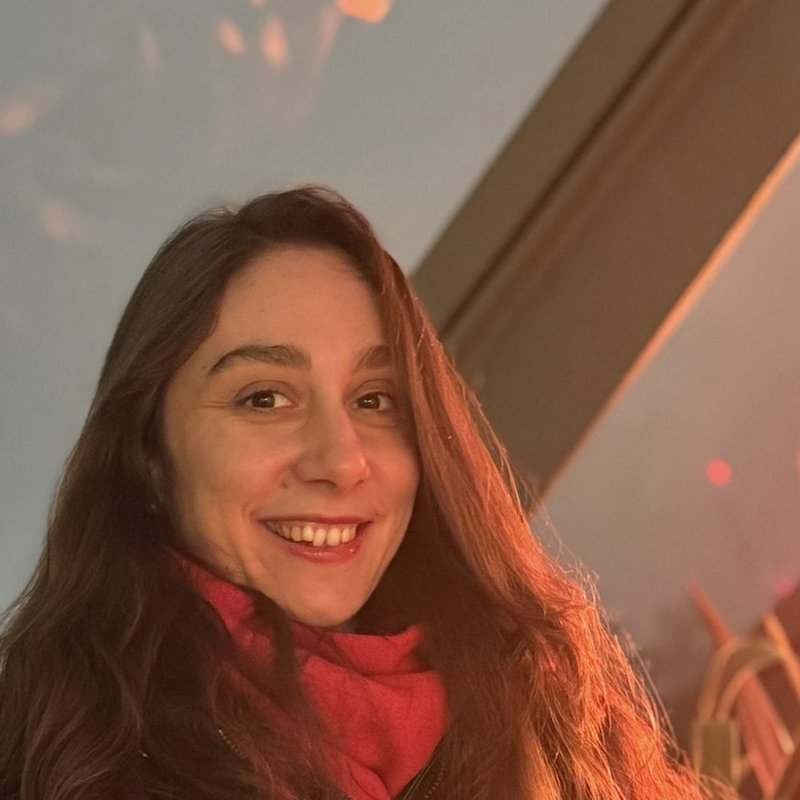
Prof Oana-Maria Camburu
Imperial College London
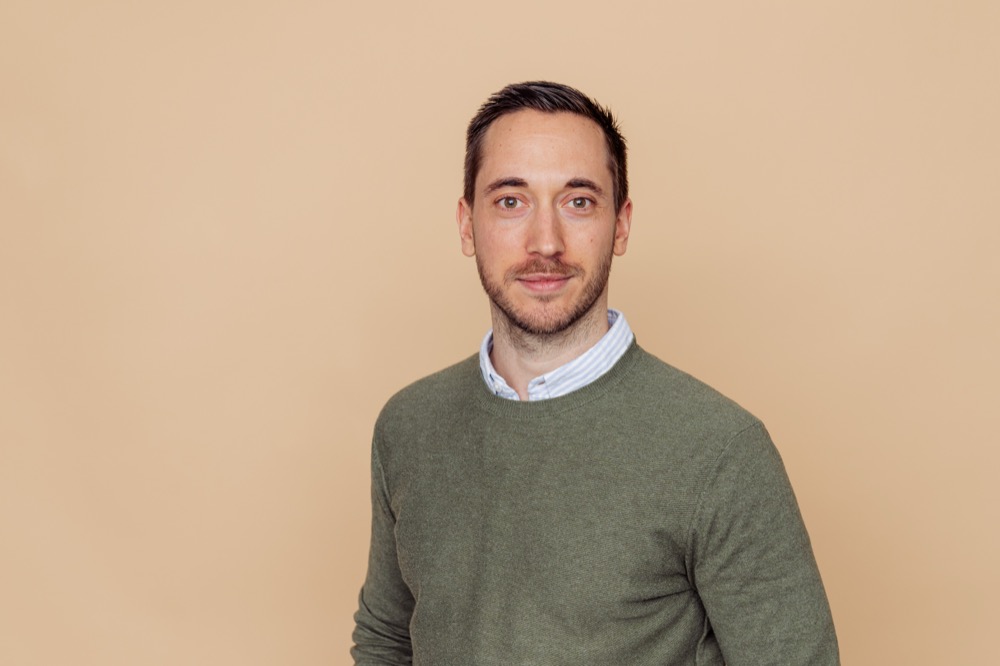
Carles Reina
Baobab Ventures
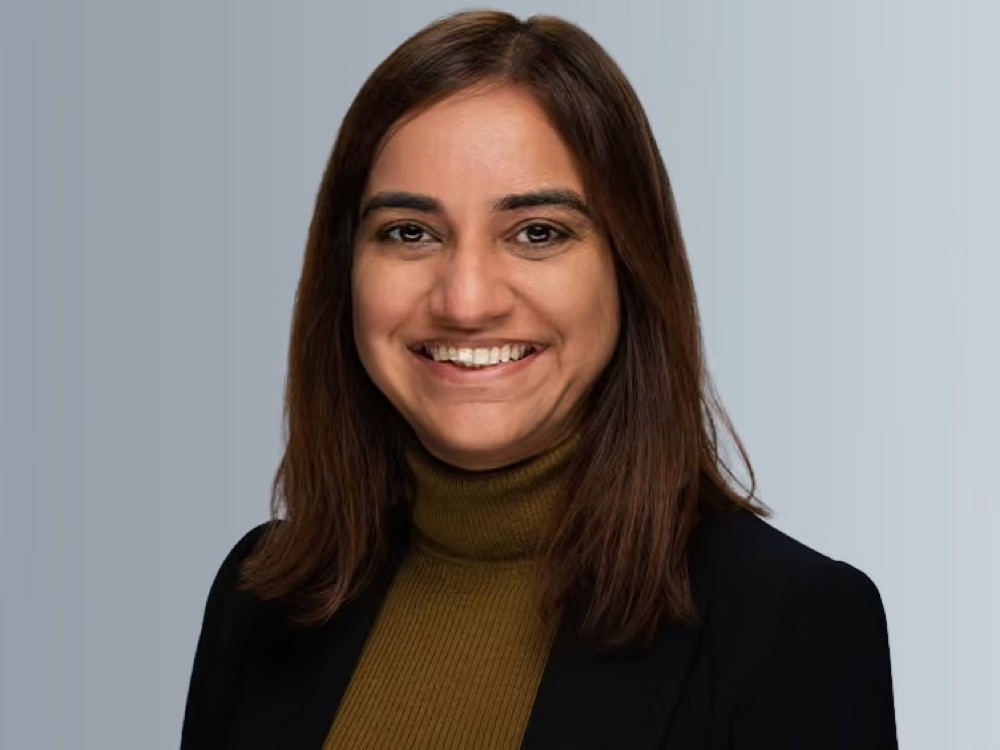
Kriti Sharma
IFS Nexus Black
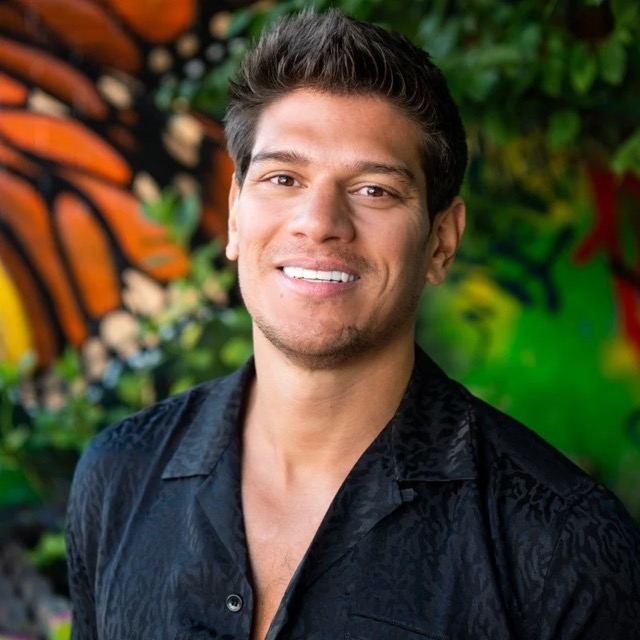
Ash Ramrachia
Dwelly
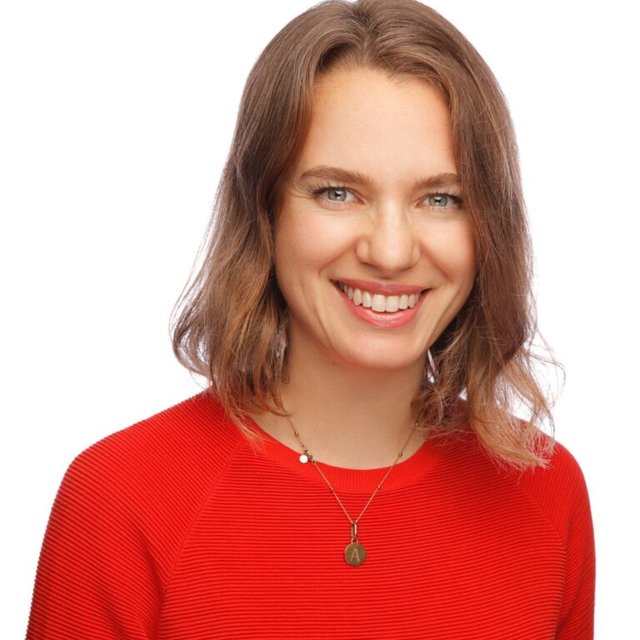
Antonia Kerle
BBC
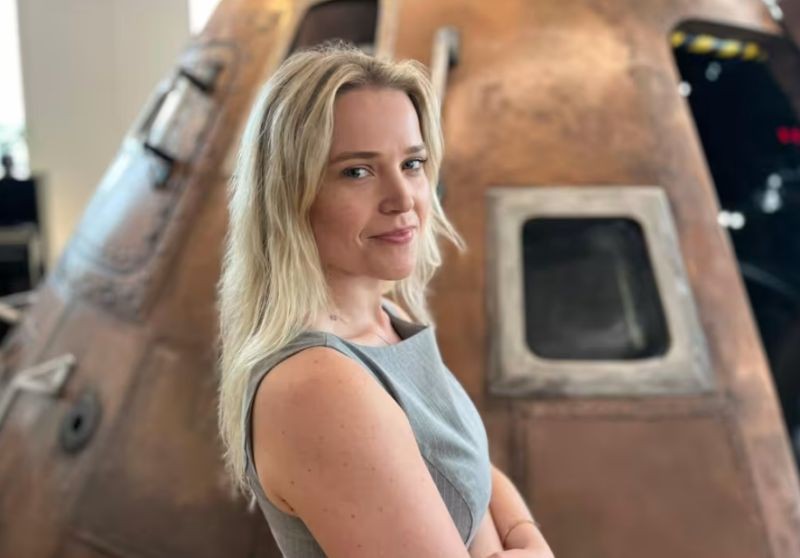
Gabriele Papievyte
XTX Markets
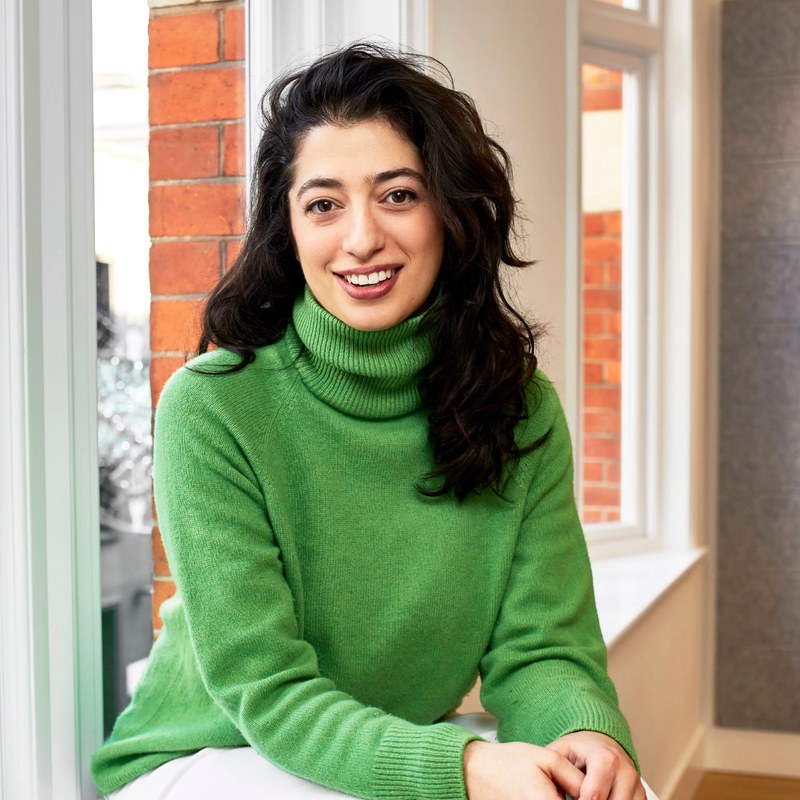
Carina Namih
Plural
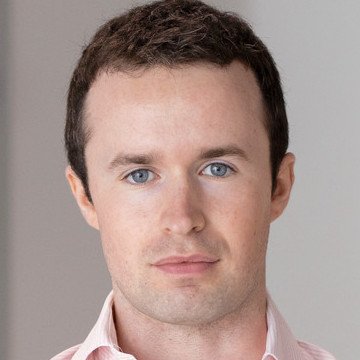
Patrick Gilday
UCL x NVIDIA
Dr Trias Gkikopoulos
Innovate UK
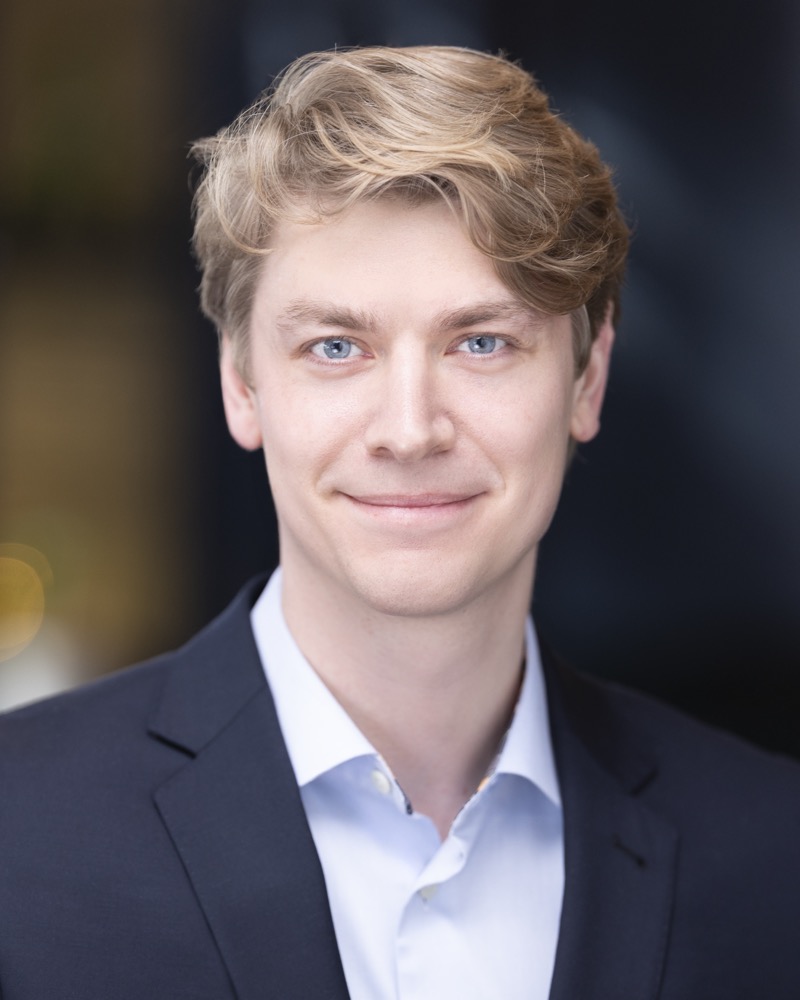
Dr Jakob Mökander
General Catalyst
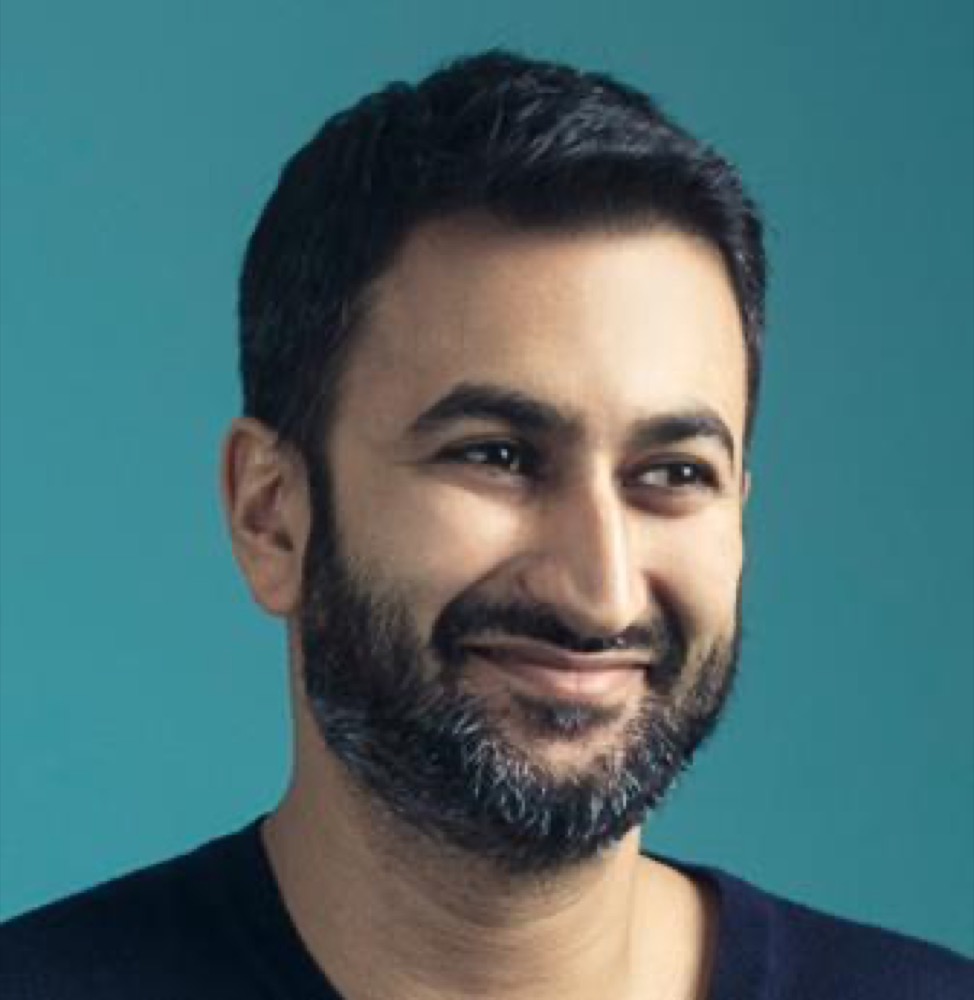
Mandeep Singh
Angel investor
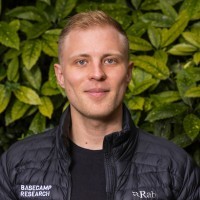
Dr Philip Lorenz
Basecamp Research
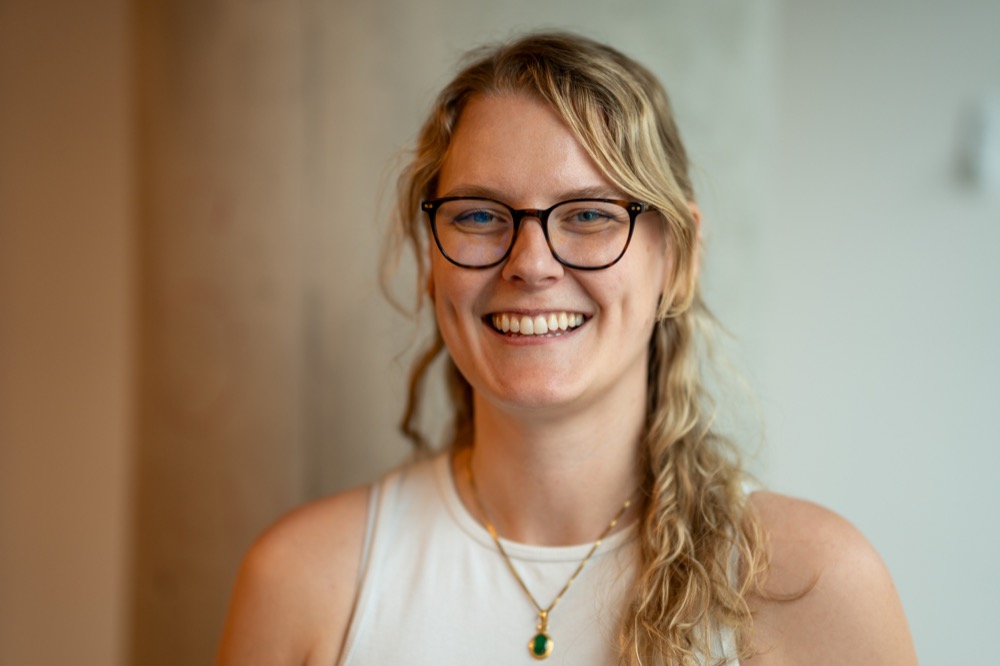
Dr Hannah Madan
Prima Mente
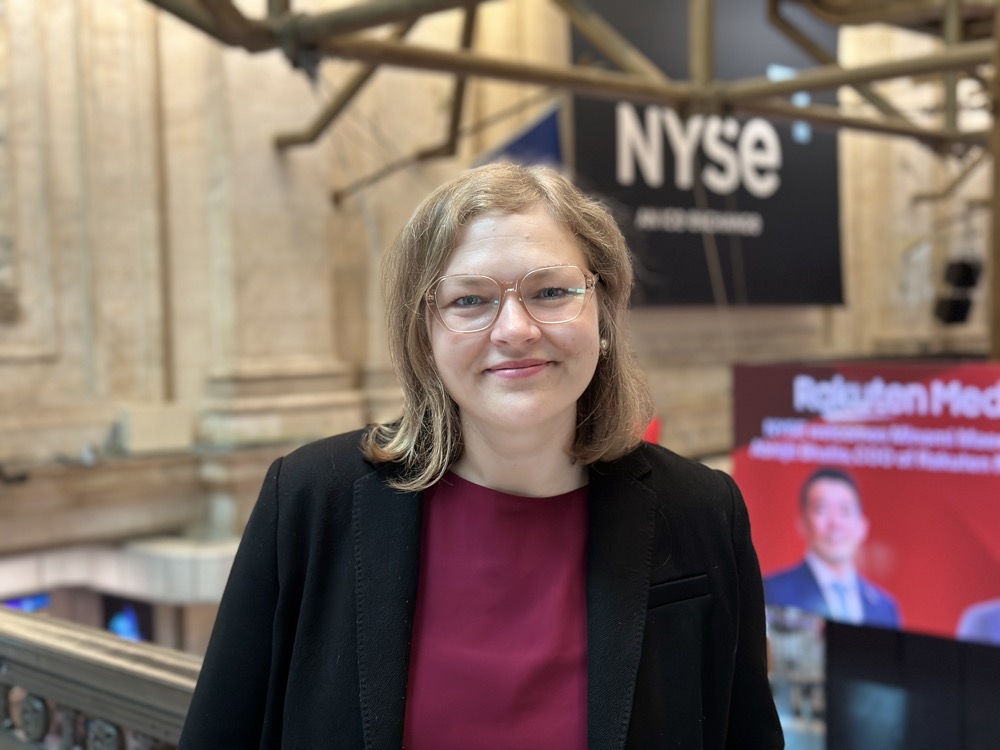
Dr Kärt Tomberg
ExpressionEdits
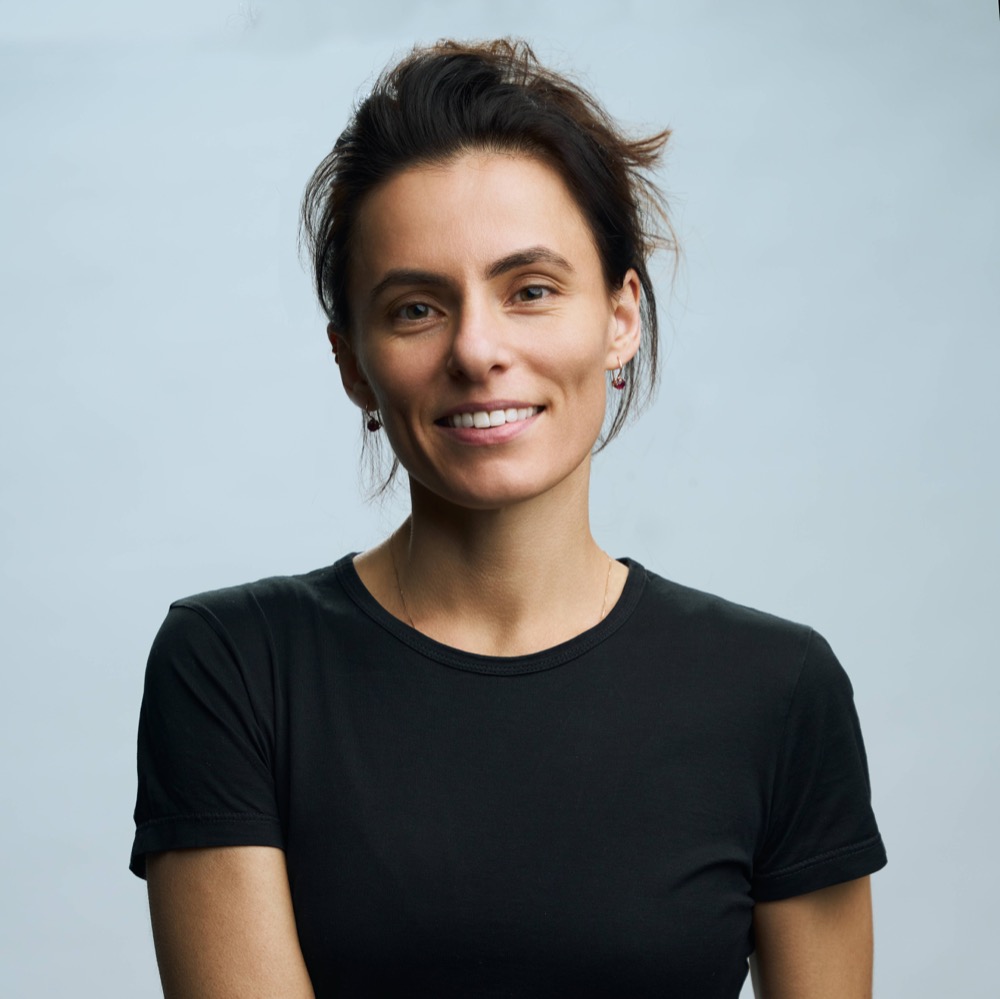
Dr Tonya Frolov
Gathered.Bio
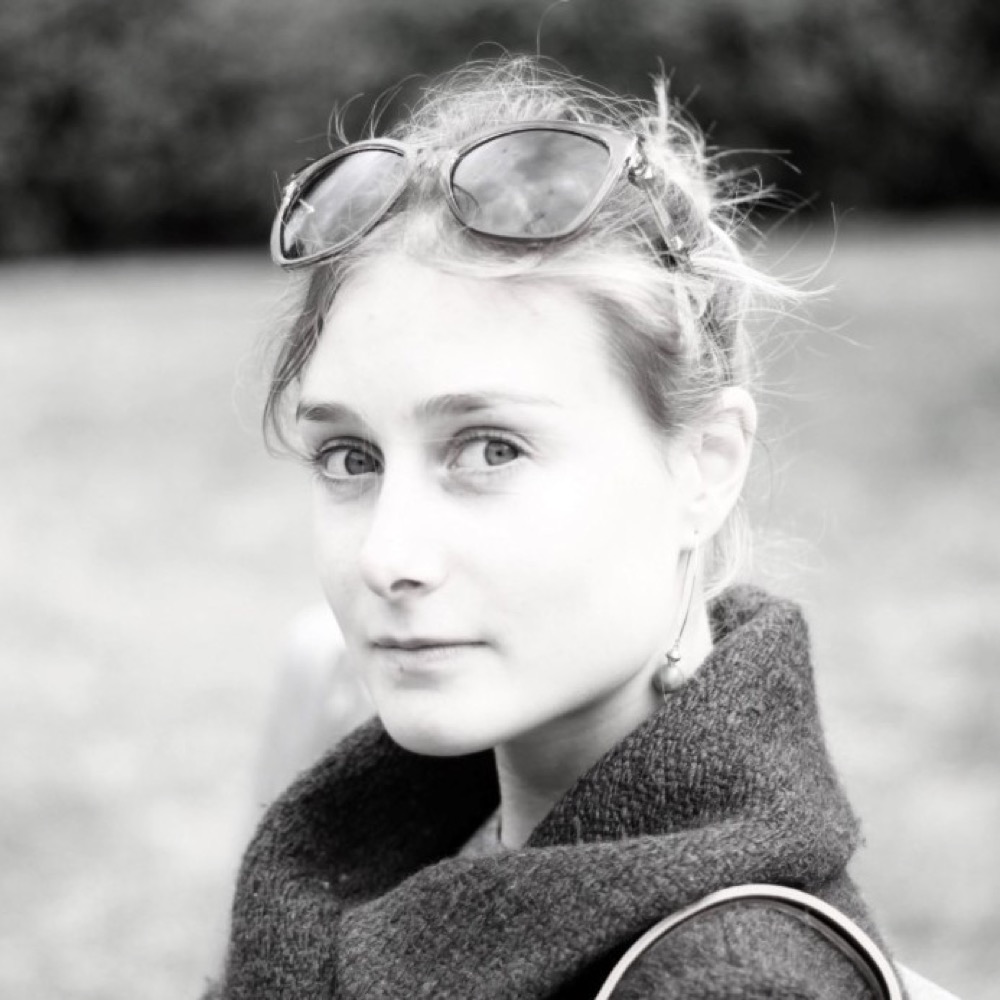
Inga Van den Bossche
University of Oxford
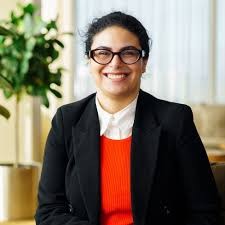
Dr Iman Mouloudi
Renaissance Philanthropy
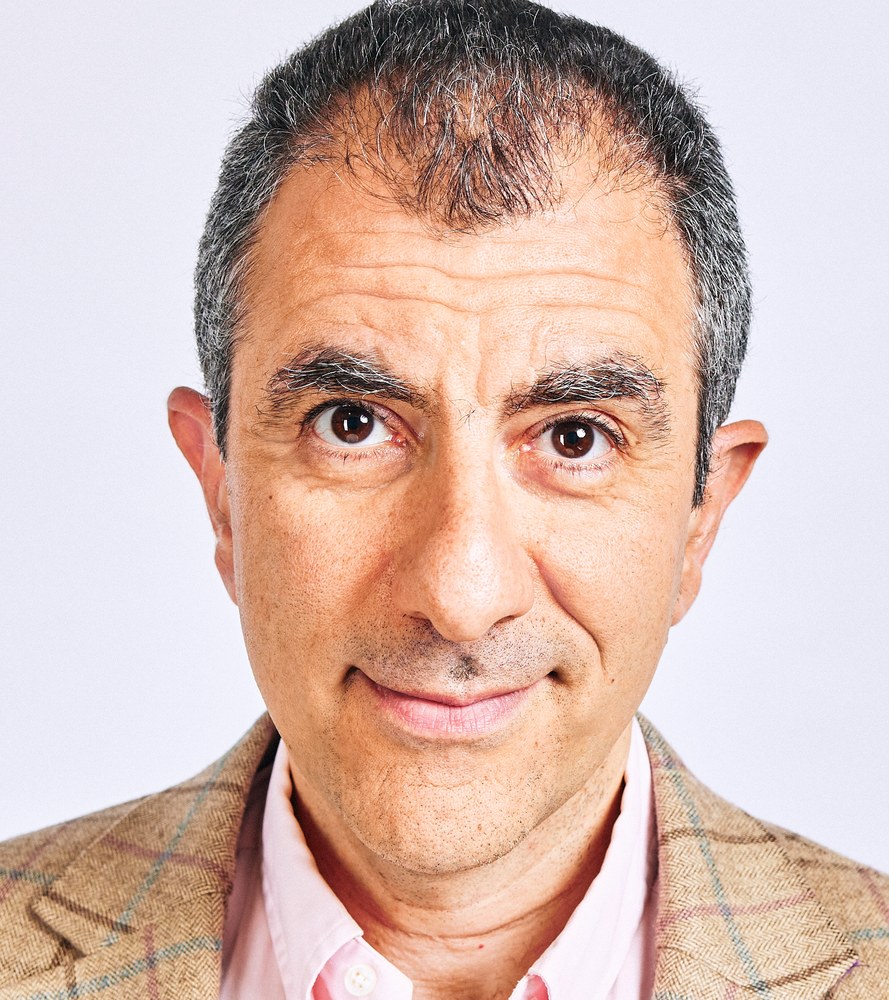
Prof Houman Ashrafian
Weatherden
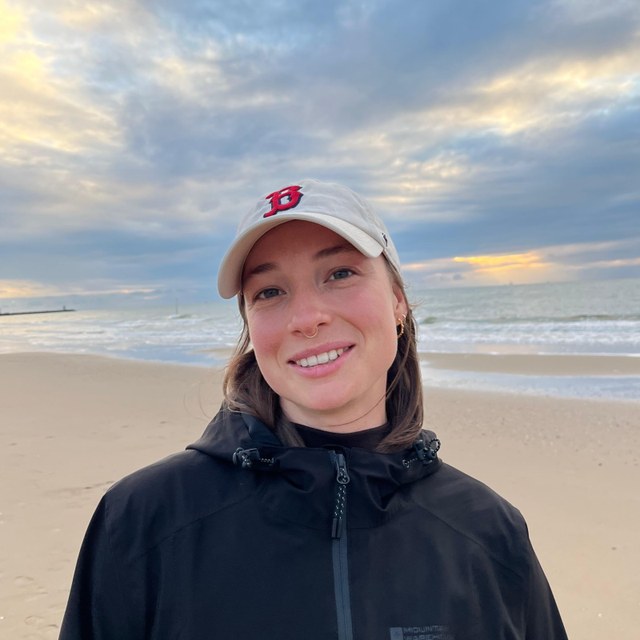
Lottie O'Brien Gore
Basecamp Research
Tickets on sale now
Events
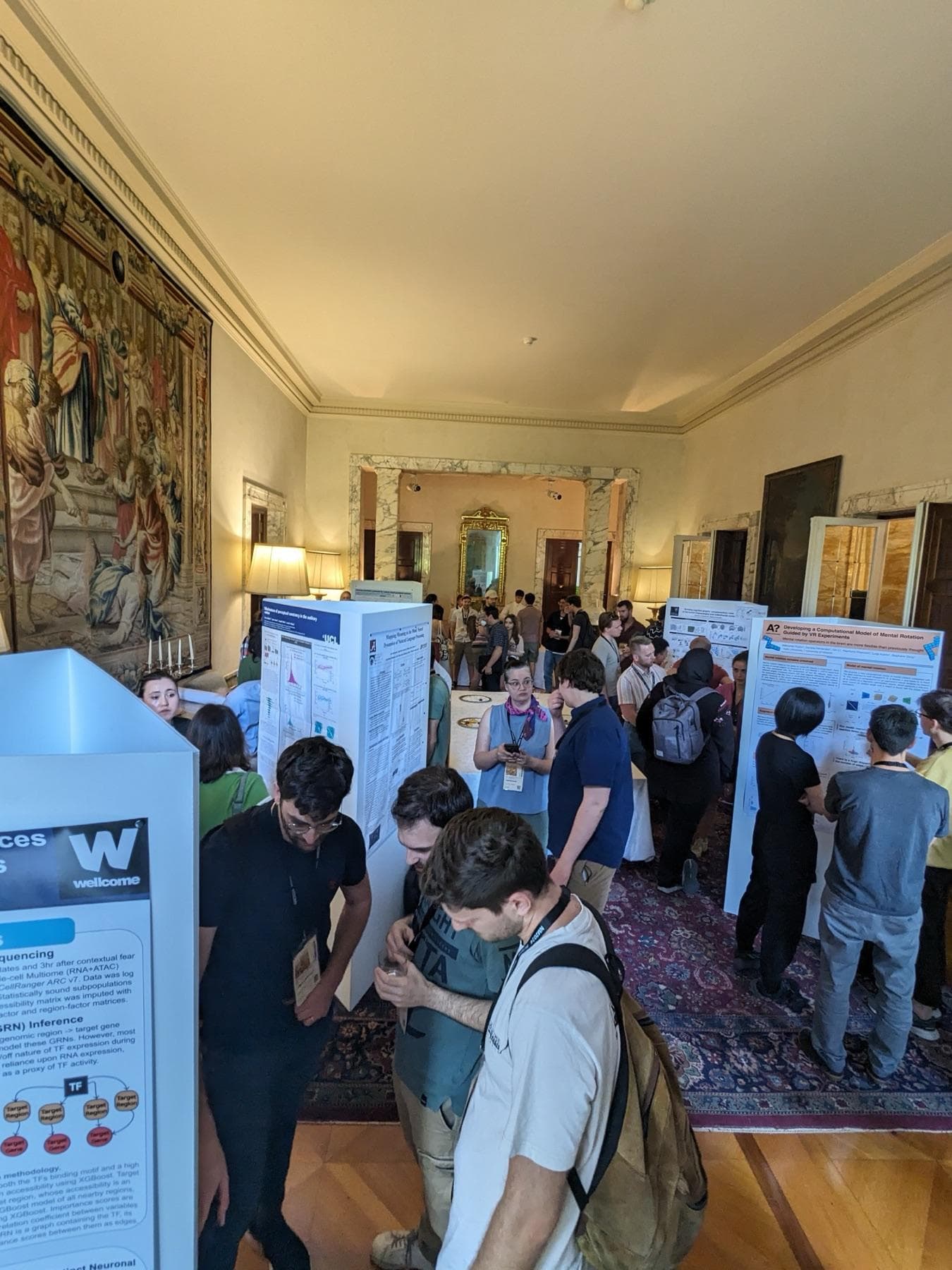
We run two main events. The AE Global Summit is our Annual Meeting: three days in London on Open Problems for AI, covering research, infrastructure, applications and governance. The International Conference on the Mathematics of Neuroscience and AI is our peer-reviewed scientific conference, on the biological, mathematical and computational foundations of intelligence.
Explore →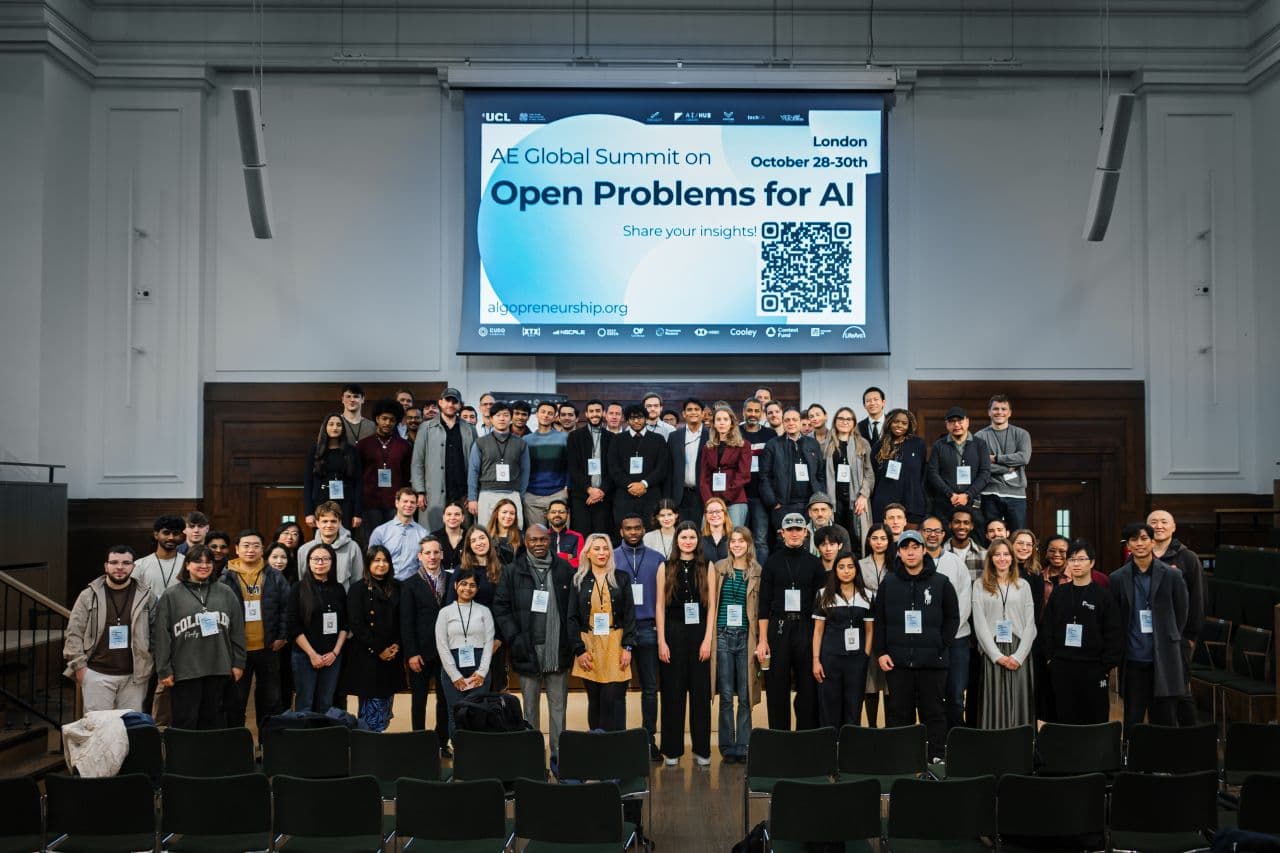
Fellowship
Our fellows and ambassadors are in more than 200 cities. The Fellowship is invitation-only. The Ambassador Programme is open to applications from students and early-career researchers, and it's how most people first get involved.
Explore →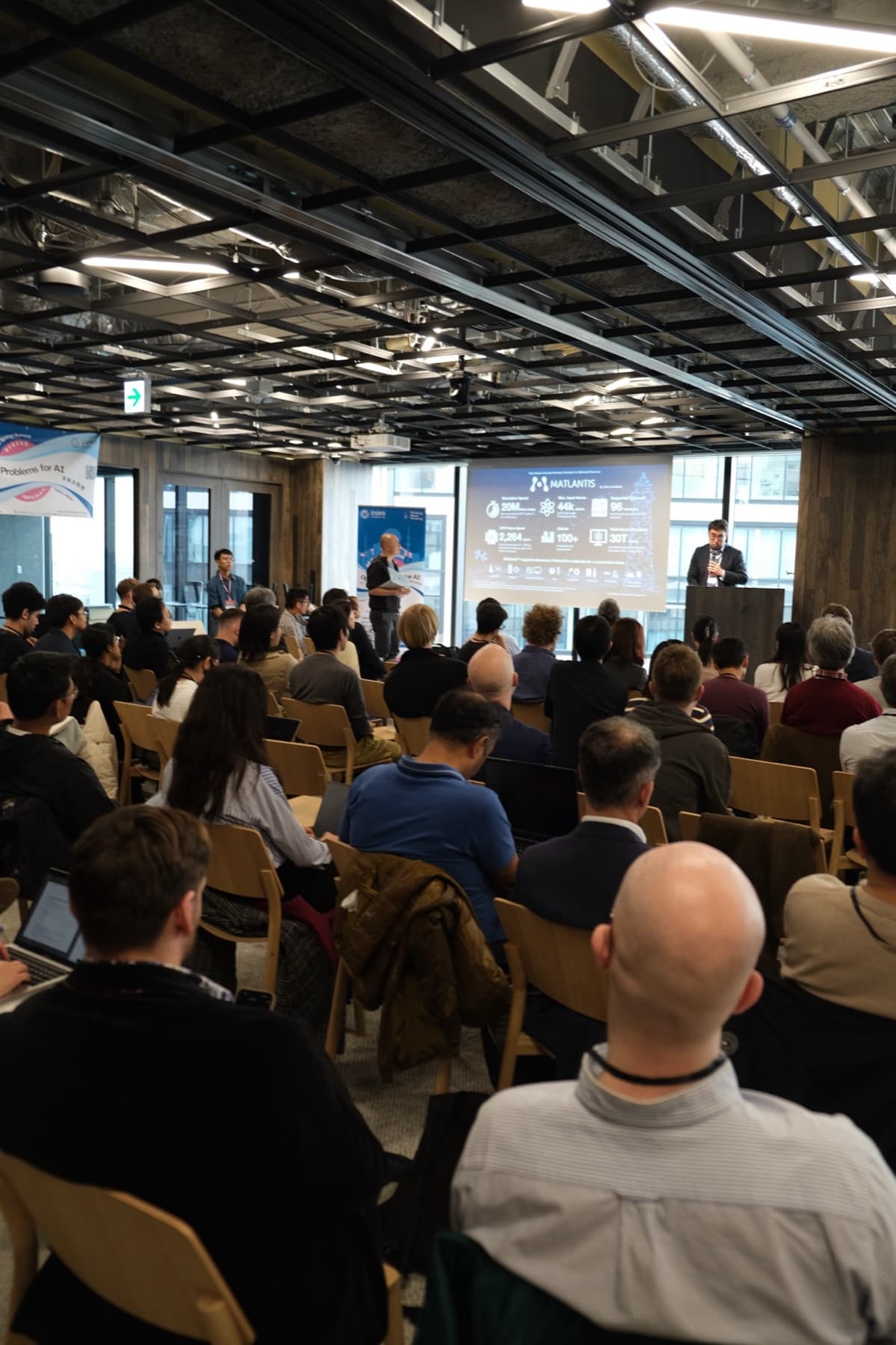
Seminar Groups
Online sessions where researchers and practitioners present work in progress, methods and applications, followed by discussion. Topics include AI, neuroscience, cognitive science, computational linguistics, computer vision, robotics and information theory.
Explore →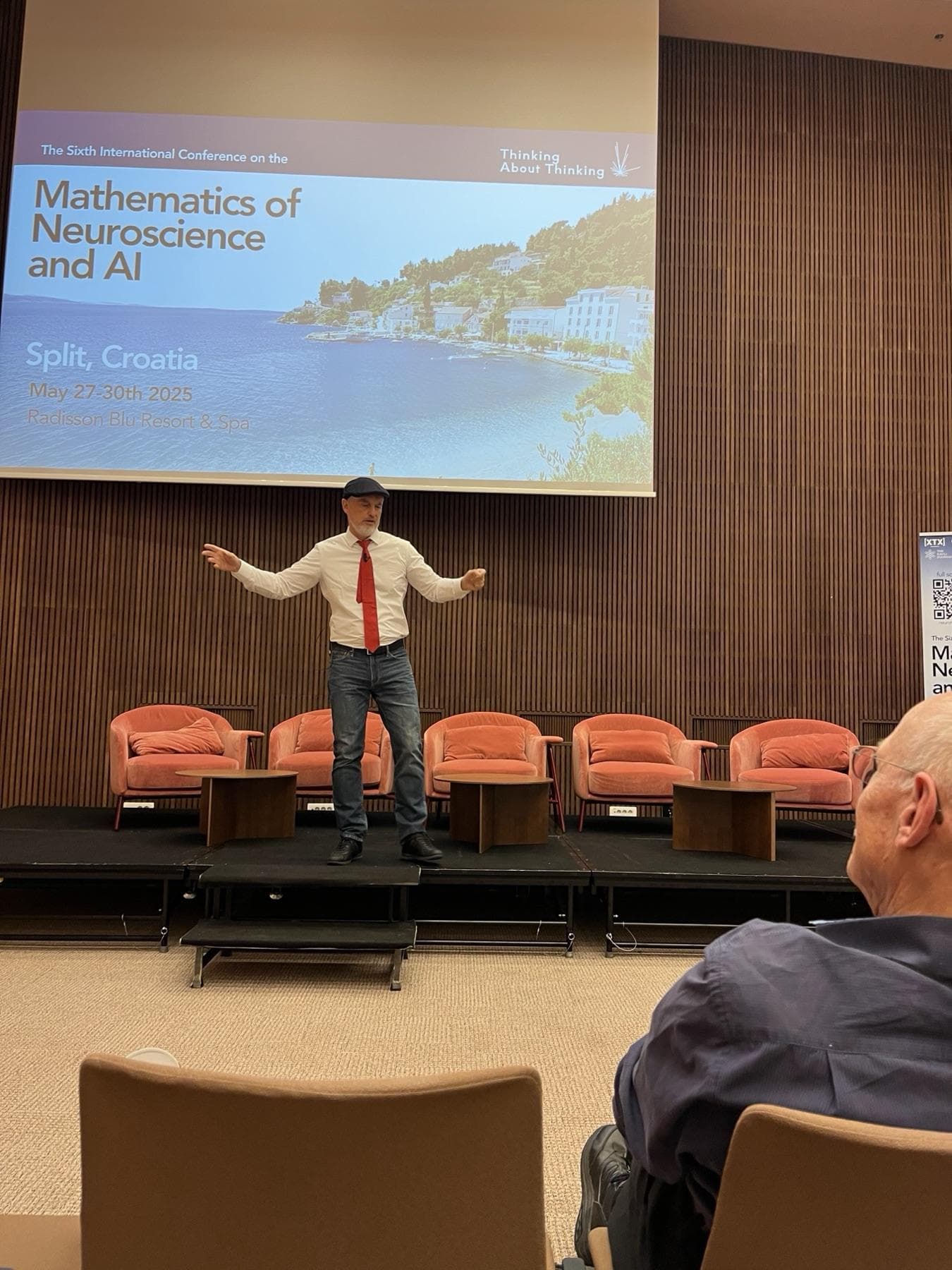
Recordings
Talks, panels and seminar sessions recorded at our events. If you couldn't make a session, you can watch it here.
Explore →


Activities & Programmes
- I.AE Global Summit · Open Problems for AIOur conference on the open problems in AI across research, startups and applications. London, 25-27 November 2026.Enter →
- II.Annual ConferenceA peer-reviewed scientific conference on the foundations of intelligence, built around submitted work and open problems. Villa Wolkonsky, Rome, 9-12 June 2026.Enter →
- III.Seminar GroupsOnline discussion sessions for researchers across fields. Launching 2026.Enter →
- IV.FellowshipOur network of fellows and ambassadors. Join by application or invitation.Enter →
Donate.
We're an independent nonprofit, funded by donations. Your donation pays for the conferences, keeps the seminars running and keeps the recordings online.